


How an Olympic Champion Thinks About Training: 10 Questions with Ruslan Nurudinov + Insights from His Training Log
Author:
What does elite training actually look like from the inside? Not theory. Not general recommendations. But real decisions, real structure, and real mindset of an Olympic Champion.
We had the opportunity to ask Ruslan Nurudinov 10 direct questions about his training process – from long-term planning to recovery, intensity and self-monitoring.
What makes this conversation especially valuable is that these answers are not abstract. They can be directly connected to his 12-week preparation training log, where every session, load and decision was documented and analyzed.
This is not just what he says – this is how he actually trains.
About Ruslan Nurudinov
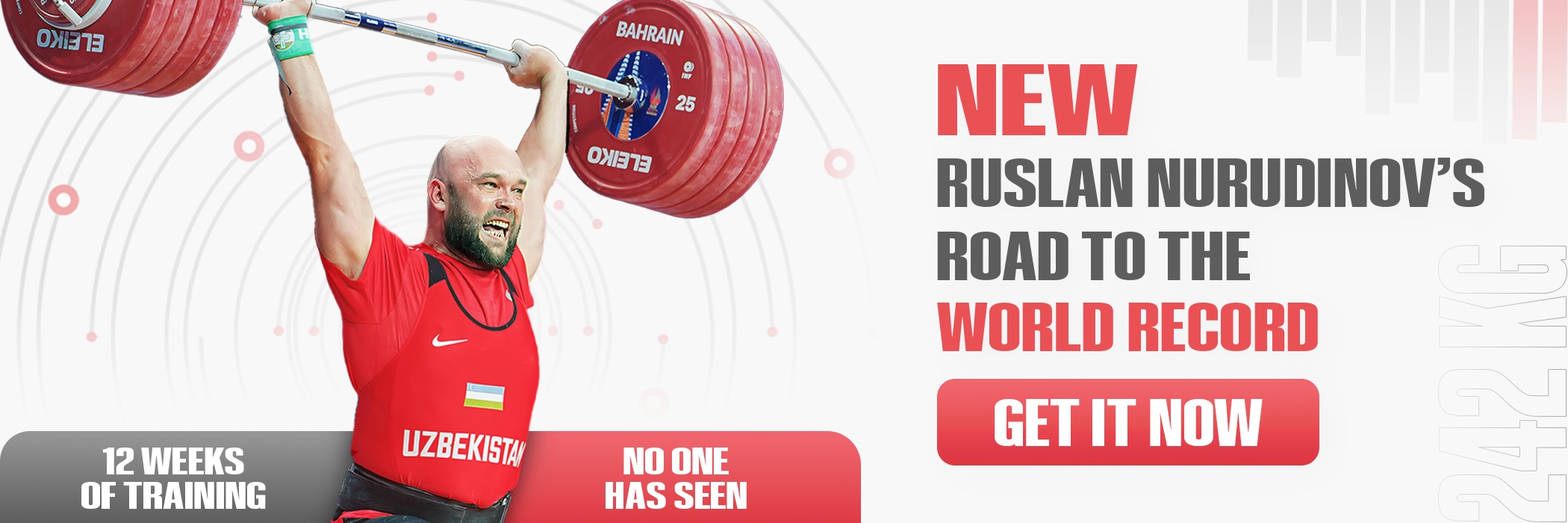
Ruslan Nurudinov is one of the most accomplished weightlifters of the modern era – an Olympic Champion (Rio 2016), 3-time World Champion (2013, 2022, 2024), World Record holder in C&J and multiple-time medalist on the international stage.
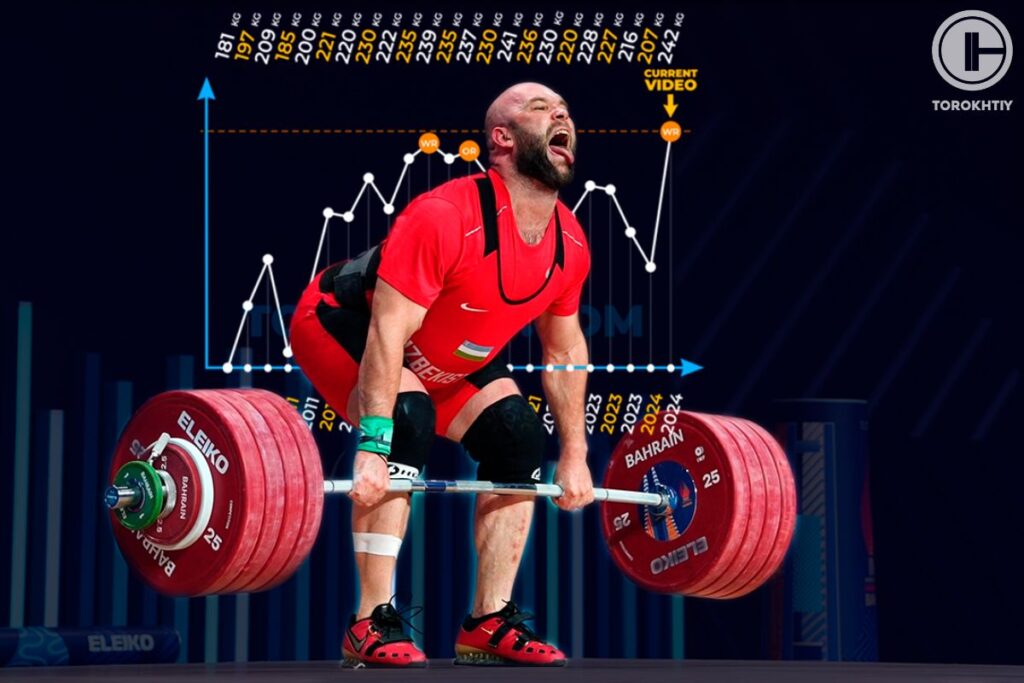
What makes his case especially valuable is not only his results, but the way his training process has been documented and analyzed. Together with the Torokhtiy team, his full 12-week preparation leading into Worlds 2024 was recorded in detail – including exact exercises, volumes, intensities, and progression across all phases.
This level of transparency is extremely rare in elite sport.
It allows us not only to hear how an Olympic Champion thinks about training, but also to compare those thoughts with the actual structure behind his performance.
How aware are you of the long-term plan for your development and how does it influence your daily training mindset?
At the beginning of the year, my coach and I discuss the competitions I want to participate in, the results we aim to achieve and the overall training volume required to get there. We don’t set very specific dates, but rather plan within a weekly and monthly framework, focusing on average percentages and target weights – while keeping everything flexible.
We also work together on planning the peaking and tapering phases. For the 2024 preparation, we didn’t set exact target numbers in training. Instead, the approach was more like: “we should reach heavy weights in this exercise around this time.”
So overall, we have a clear macro and meso structure, but the detailed weekly plan is finalized at the start of each week. My coach adjusts it based on how I’m feeling and how I responded to the previous week’s training.
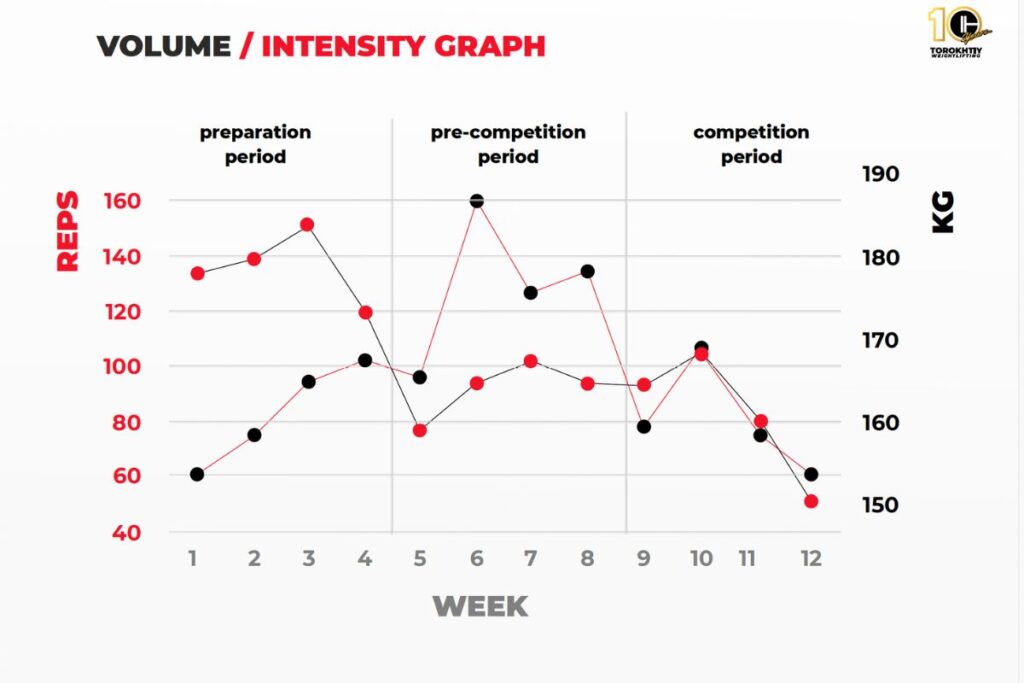
From the Training Log:
This matches exactly what we saw in the data. The program was built around a clear macrocycle, but with flexible execution. Weekly adjustments were constant, showing that even at the highest level, structure and adaptability must coexist.
In what ways does your program differ from other lifters and why do you think those differences exist?
The main difference comes down to my age – I’m 33, and that’s the biggest factor in how my program is individualized. I can’t handle the same level of volume and intensity as the younger athletes in the team, who are mostly between 19 and 23. At the same time, my strength level is very high and stable.
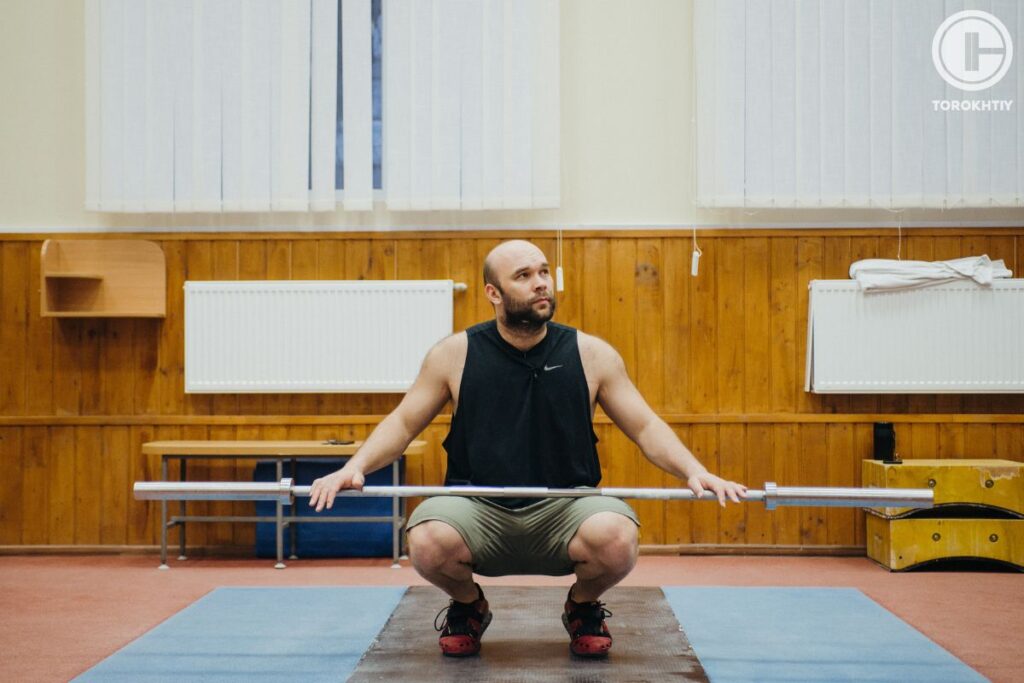
For most national team members, the comfortable window readiness of working in the 90% intensity zone is around six weeks. For me, it’s closer to nine weeks. On the other hand, during the volume phase of preparation, my intensity is typically about 10% lower compared to the younger lifters. For example, I never perform sets of three reps at 80%, which is quite standard for younger athletes in our team.
From the Training Log:
One of the most interesting findings was exactly this – high exposure to heavy intensities, but with carefully controlled volume. His program reflects long-term adaptation and experience, not just physical capacity.
What signals indicate that you are ready for high-intensity work, and how do you communicate that to your coach?
I always keep my coach informed about how ready I feel for high-intensity work. At the same time, it’s important to understand that I mentally align myself with the training plan set by the coach. For example, if the coach tells me that this week we will go through a series of high-intensity “attacks,” I prepare myself mentally for that in advance.
We also have regular team and individual meetings where the coach explains what we’ll be focusing on over the next two to three weeks, whether it’s more squat and pulling volume or heavier singles in the snatch and clean & jerk.
During the sessions, I also rely on how I feel physically and mentally. If I sense that I’m in a good condition and capable of more, I communicate that to my coach. In most cases, he allows me to increase the planned weight by 5 kg and sometimes even by 10 kg.
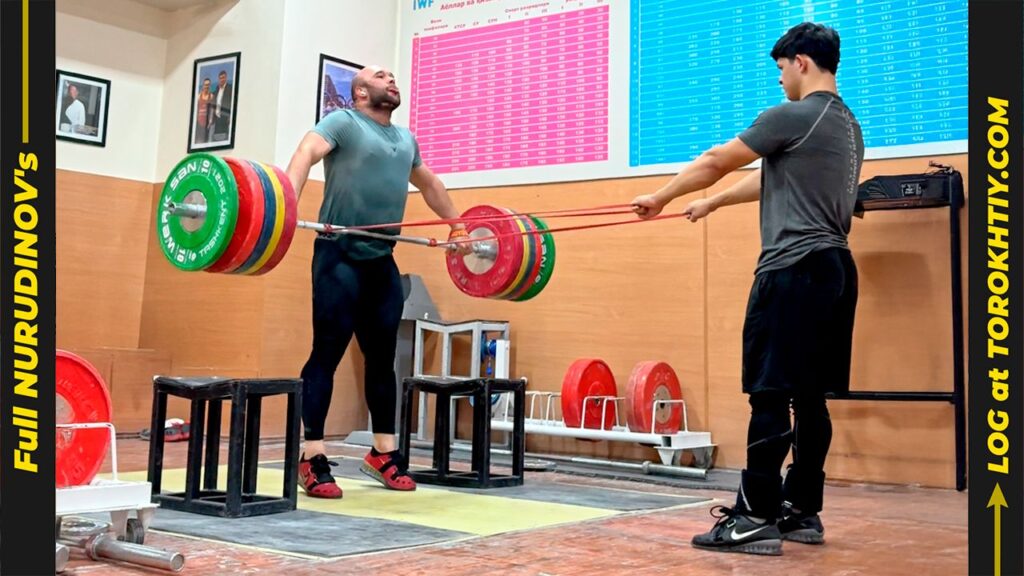
From the Training Log:
This is where the famous “ATTACKS” method appears – structured waves of high-intensity lifts. These were not random efforts, but planned stress blocks designed to push adaptation.
How do you mentally approach percentage-based sessions versus sessions adjusted by feel?
I can work with both approaches, but I generally prefer percentage-based training, especially when I know the plan in advance. It gives me a sense of structure and control. I understand the cycle, the progression and what loads to expect. That helps me stay calm and focused, without unnecessary stress or uncertainty.
I’ve also trained based on feel, but in my experience it’s not always objective and doesn’t work as well for me in the long term. Your body can be misleading – sometimes you feel stronger or weaker than you actually are. For me, a percentage-based structure is the foundation. At the same time, within individual sessions, I may adjust the load slightly based on how I feel, either adding or reducing weight when needed.
What recovery strategies do you prioritize during high-volume or high-intensity phases?
I prioritize all key recovery elements: sleep, nutrition, soft tissue work and professional supplementation.
For me, sleep is the most important factor for CNS recovery, while nutrition supports both muscular and nervous system recovery. Soft tissue work and massage are mandatory, not only during high-intensity phases but also as a regular part of training. There are periods of 2–3 weeks with very high stress loads, and during those times, proper manual therapy becomes essential.
I also experience sleep difficulties under fatigue, so I occasionally use melatonin and GABA to support recovery. If I get less than 9–10 hours of sleep, it becomes much harder for me to fully activate my CNS during training.
In terms of body weight management, both weight gain and weight cuts have been guided by a professional nutritionist over the past five years. For me, weight cutting should be controlled, comfortable and free from excessive mental stress or extreme restriction.
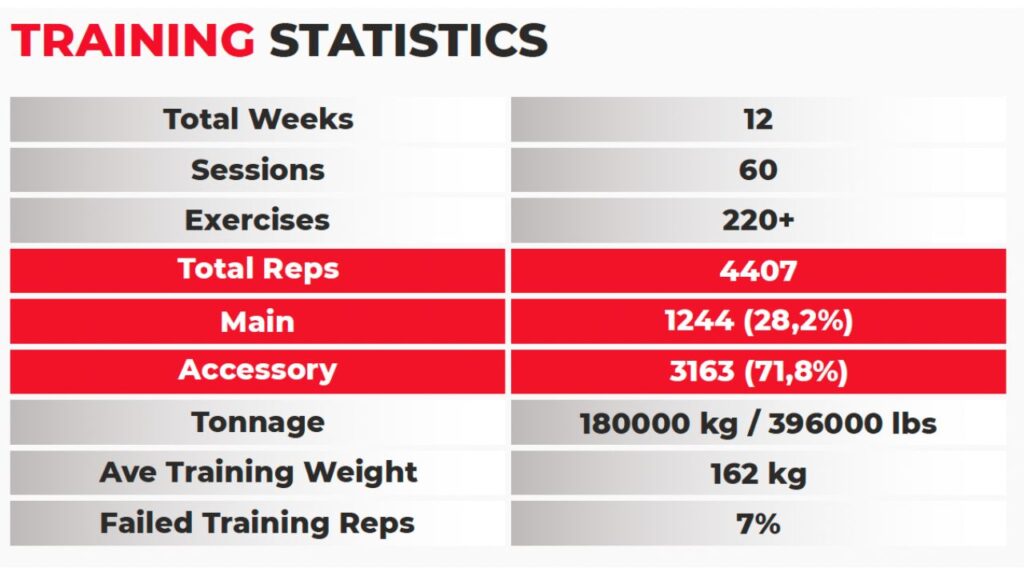
From the Training Log:
One of the key insights was the massive volume of auxiliary work – more than double the main lifts. This supports recovery, stability and injury prevention.
What physical or technical sensations tell you that you are optimally peaked?
I rely primarily on my training numbers – when I’m hitting 100% or more, I know I’m in shape. For me, there aren’t any other special or “magic” sensations.
How much technical feedback is optimal for you during training without creating cognitive overload?
There are many technologies available now that can provide detailed feedback: bar path, velocity, instant data, but for me, that can be too much. I prefer a simpler approach.
The most effective feedback for me is my coach’s input combined with video review. Coaching feedback is the priority and usually just a few clear cues are enough. Things like “more extension,” “keep the bar closer,” or “finish with the arms.” That level of communication gives me exactly what I need without creating unnecessary cognitive overload.
How do you handle temporary drops in performance?
Earlier in my career, I followed programs with very high intensity and frequent heavy singles. Now, with age, my approach has changed – I spend more time working with lower volumes and more controlled loading. Of course, from time to time I can jump on a big lift when it’s not the right moment and the next day my whole body reminds me why the program needs to be more carefully managed.
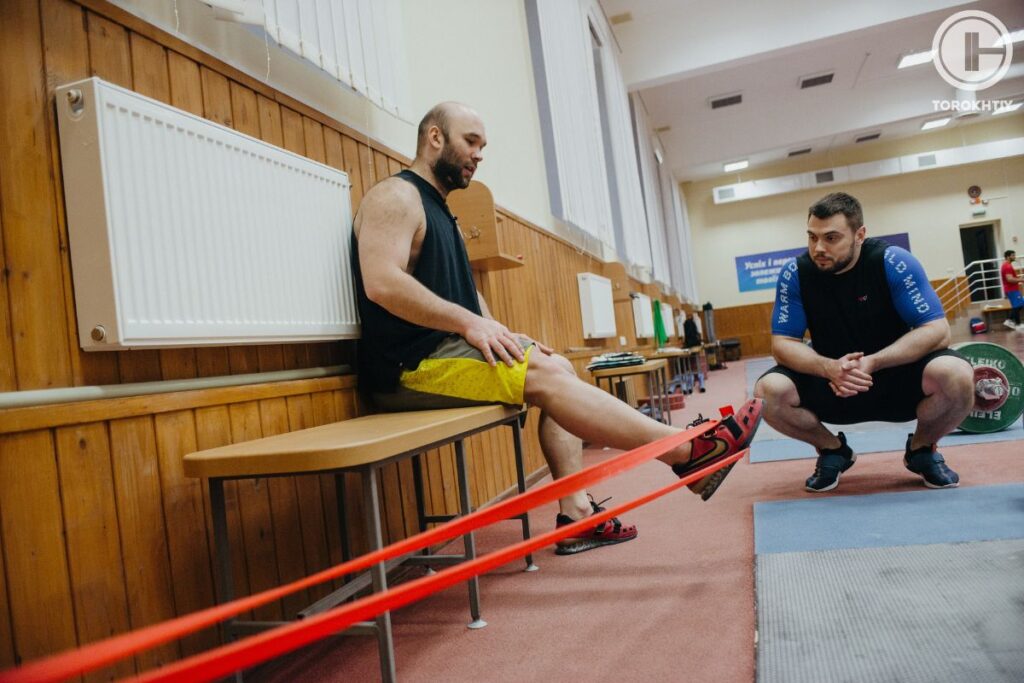
At this stage, as I get closer to 35, I understand the purpose behind lighter phases. They are either there to help me recover from heavy work or to prepare me for the next increase in intensity. Because of that, temporary drops in performance don’t affect me mentally, I see them as part of the process.
What early warning signs signal to you that something may need modification in training?
In elite sport, the risk of injury is always present. That’s why I consistently communicate both my physical and mental condition in detail. For example, if we plan three weeks of hard training and I complete the first two at a high level, but feel that the third week is pushing the limit, I speak up. With experience and age, I have a better understanding of how long my body can handle a certain level of stress and when it needs recovery. The reality is that the longer you compete at an elite level, the more time you need to recover.
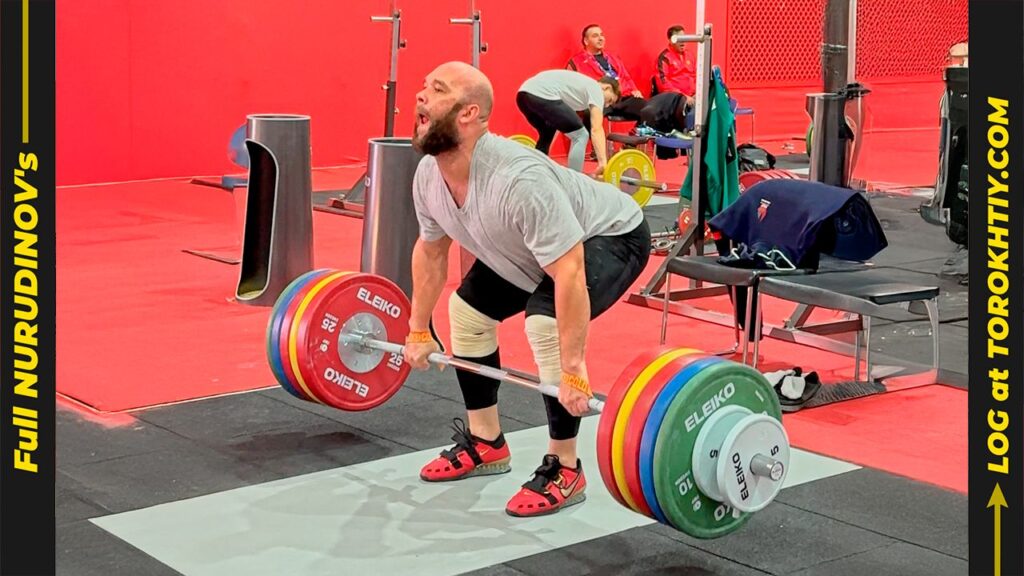
My coach always listens to this feedback. In addition, I’ve been working with the same physiotherapist for the past seven years. He regularly analyzes videos of my lifts from different angles to assess biomechanics. If he identifies any compensations or imbalances, he communicates directly with my weightlifting coach and provides recommendations, including corrective exercises.
We do everything we can to reduce injury risk, but in high-performance sport, eliminating it completely is simply not realistic.
How has your understanding of training and self-monitoring changed as you’ve progressed to the elite level?
At a certain point in my career, after 2012, I became much more mature and conscious in how I approached training and recovery. Before that, I could combine training with things like partying, without really thinking about why – I just enjoyed it. Now, I clearly understand that this is my choice, my career, and my future. With age, I’ve developed much greater awareness and self-control. I’ve eliminated activities that interfere with my training or increase the risk of injury.
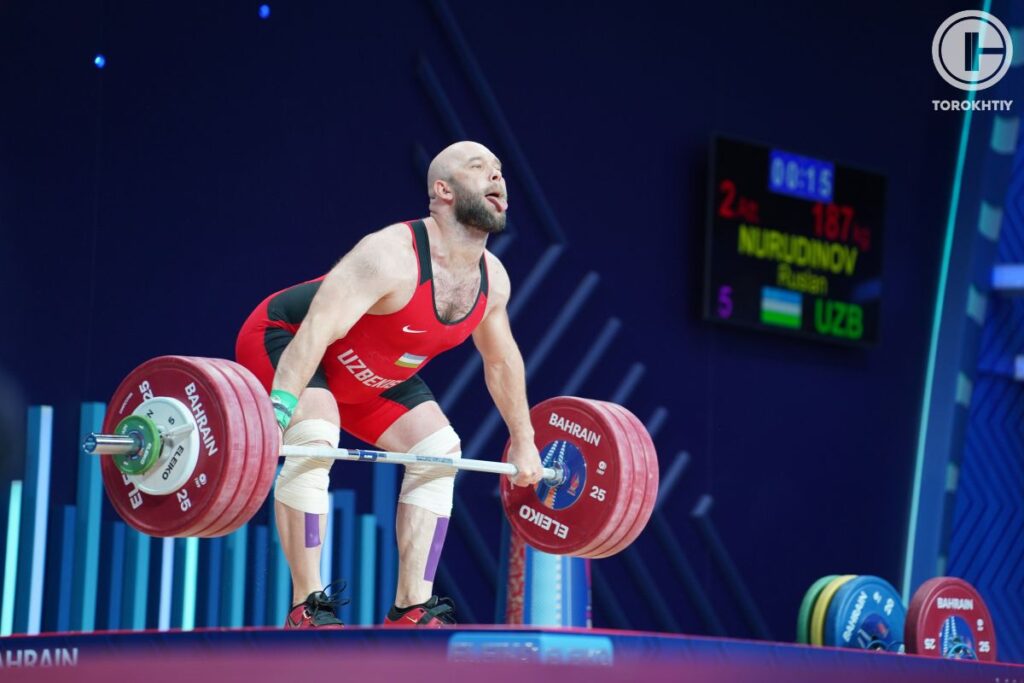
Interestingly, this mindset didn’t come at the same time as my results. I reached the elite level quite early at 19, I won my first medal at the Senior World Championships, but at that time, I didn’t yet have this level of awareness. That understanding came later, around the age of 25 and beyond, when I started to approach the sport in a much more deliberate and professional way.
Why This Interview Matters
Many athletes talk about training. Very few allow you to see the full system behind it. What makes this case unique is that Ruslan’s answers are supported by real data – a complete 12-week training log with exact loads, structure, and progression.
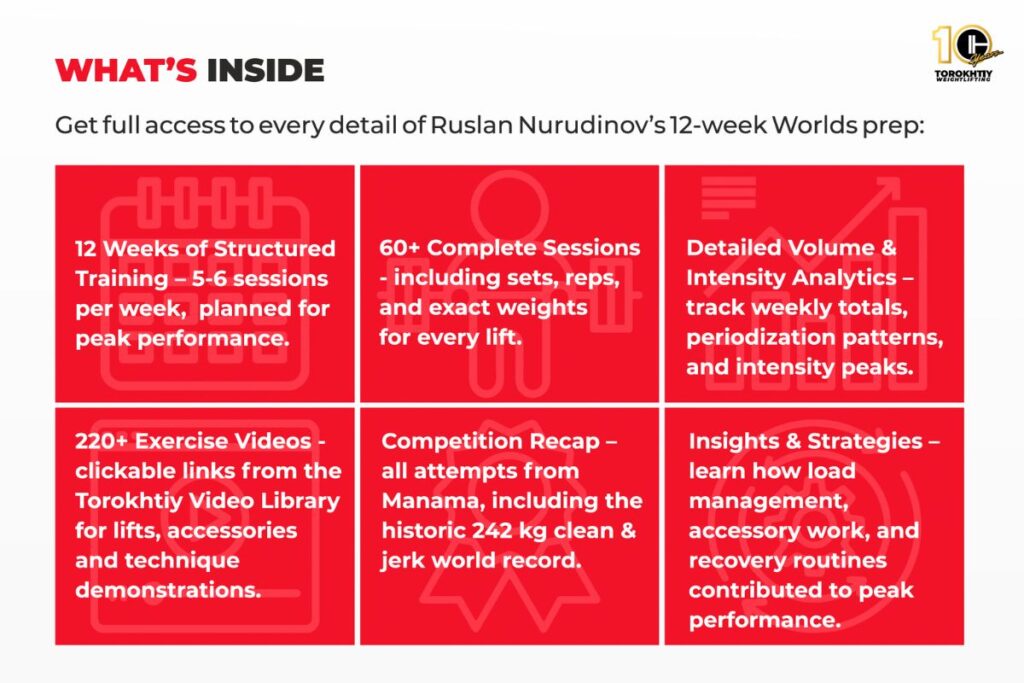
This gives us something rare: not just philosophy, but verified practice.
Final Thoughts
There are no secrets here. No magic methods. No shortcuts.
Just: structure, communication, experience and deep understanding of the process. This is what elite weightlifting actually looks like.
If you want to go deeper and study how this system works in real training –
Ruslan Nurudinov Training Log gives access to every session, every load and every decision behind these answers.
🔻Find Your Best Training: Take Our Quiz!
Are you ready to learn and grow? Take our simple quiz to discover the right training program for you. Let us help you succeed — click below to start the quiz!
Author: Sergii Putsov
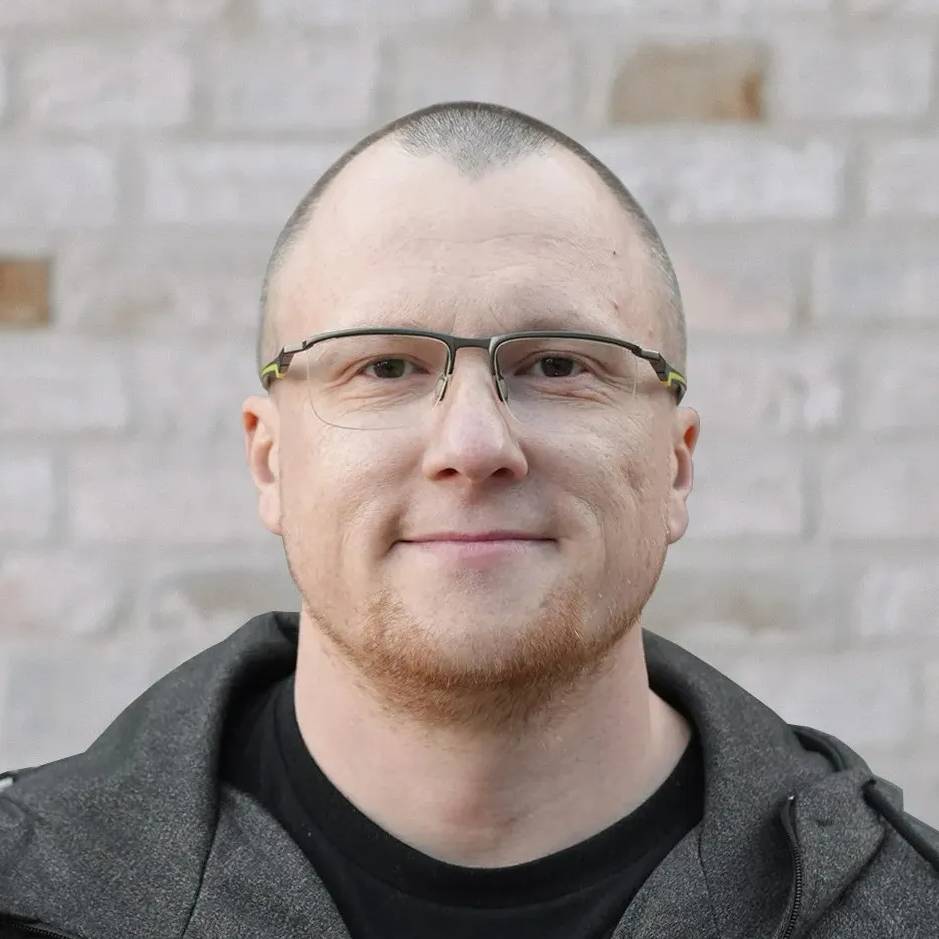
Head of Sport Science, PhD
Best Results: Snatch – 165 kg,
C&J – 200 kg
Sergii Putsov, Ph.D., is a former professional weightlifter and National team member, achieving multiple medals in the 94 kg weight category at national competitions. With a Master’s degree in “Olympic & Professional Sport Training” and a Sport Science Ph.D. from the International Olympic Academy, Greece, Sergii now leads as the Head of Sport Science. He specializes in designing training programs, writing insightful blog articles, providing live commentary at international weightlifting events, and conducting educational seminars worldwide alongside Olympic weightlifting expert Oleksiy Torokhtiy.