


European Weightlifting Championships 2026: What Really Happened in Batumi
Author:
The Europeans 2026 in Batumi were not about perfect lifting. They were about transition. A sport moving into a new Olympic cycle, where young athletes are already winning, experienced lifters are still holding ground and stability is becoming more valuable than ever.
What, Where and Why It Mattered
Batumi, Georgia, April 2026.
On paper, just another European Championship. In reality, something much more important. This was one of the first major continental competitions after the Olympic cycle reset. No immediate Olympic qualification pressure, no final attempts to secure ranking points – just pure competition.
There was also another layer that gave this championship special meaning. Batumi 2026 became the last Europeans held under the current weight categories. Starting from August 1, 2026, weightlifting will officially transition to new weight classes, aligned with the next Olympic cycle and the road to Los Angeles 2028.
That meant athletes in Batumi had a unique opportunity to leave their names in history as European record holders in categories that will soon no longer exist.
At the same time, the transition has already begun. Many countries are already using the new weight categories at the national level, preparing athletes for the upcoming system. This created an interesting dynamic: while the competition was officially held in the “old” categories, part of the field was already thinking, training and adapting to the new structure.
Inside the Competition: More Than Just a Platform
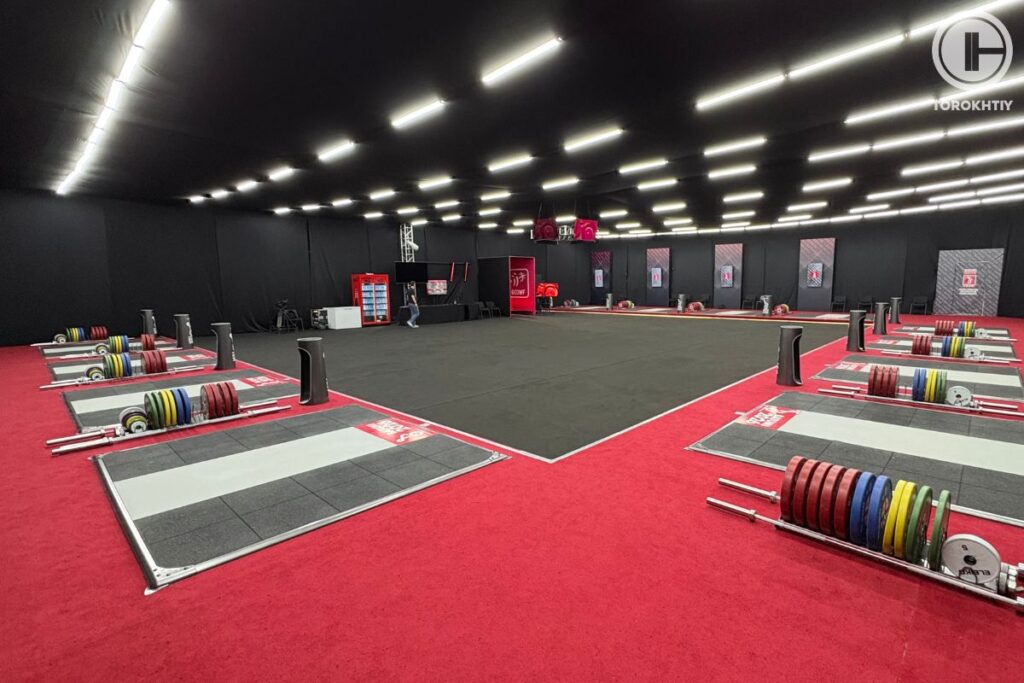
One of the most noticeable advantages of Batumi was how well everything was connected. The training hall was located inside the same venue as the competition platform. It sounds simple, but at this level it changes everything. Athletes didn’t need to travel between locations, didn’t waste energy on logistics.
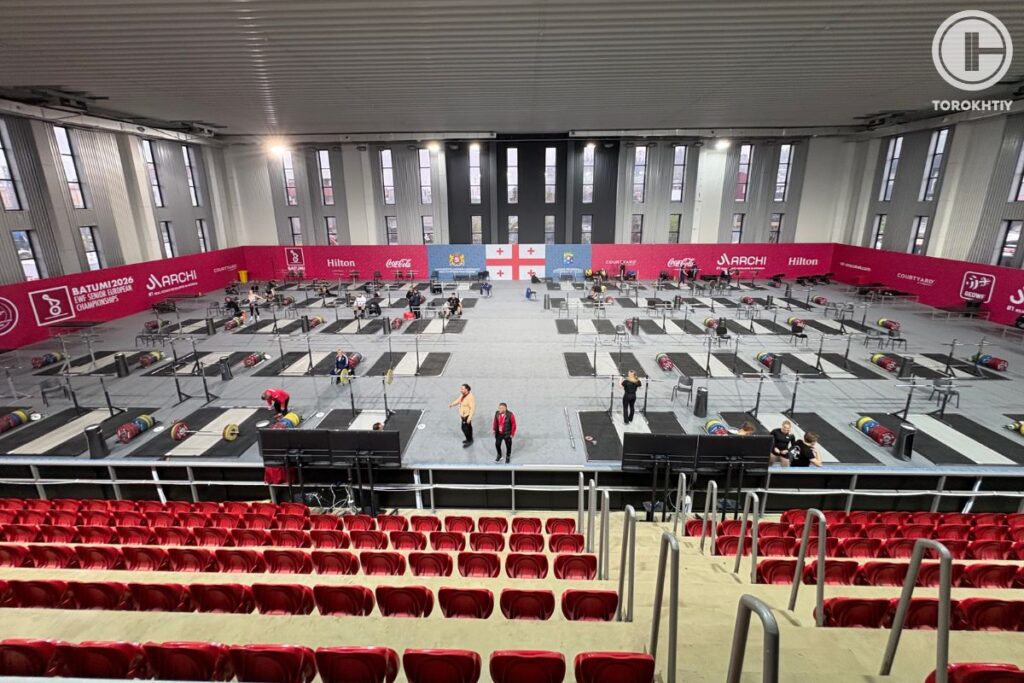
The training area itself was an impressively large open space with around 40 platforms, all equipped with brand new Eleiko bars and plates. From a technical standpoint, this is exactly what elite competition should provide: consistency between warm-up and platform, enough space for all athletes and a clean, structured environment.
The competition platform itself told another story – not about logistics, but about the evolution of the sport. Elevated, visually separated, surrounded by three large LED screens, it felt like a true stage.
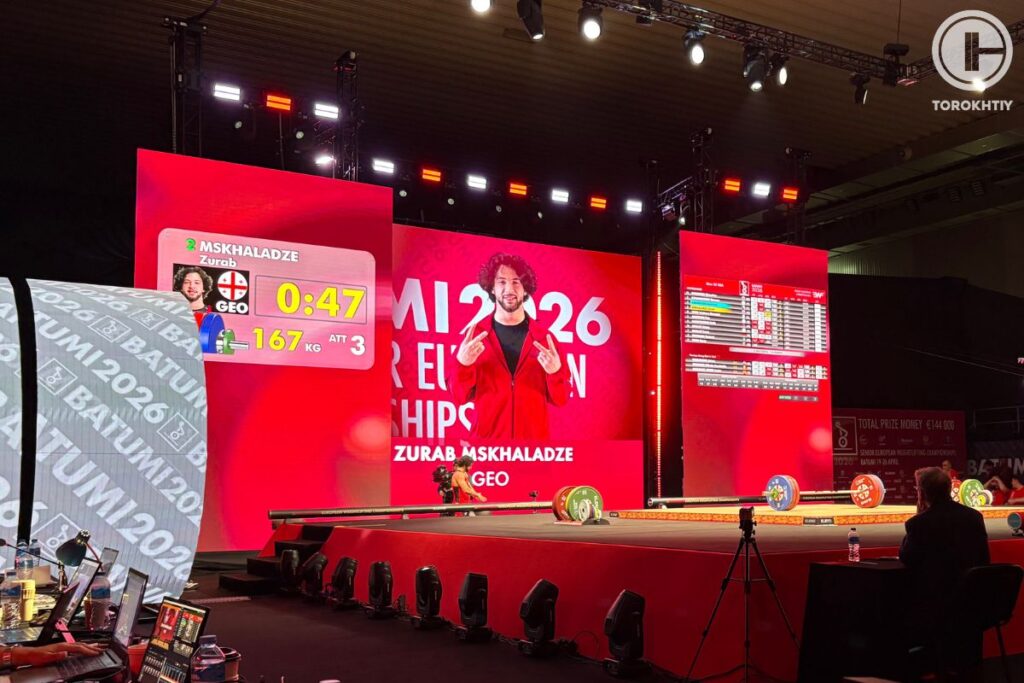
Every athlete stepping onto the platform was introduced with a short pre-recorded video. Not just a name and a number, but identity, presence, personality. It changed the perception. It made lifting feel like a show.
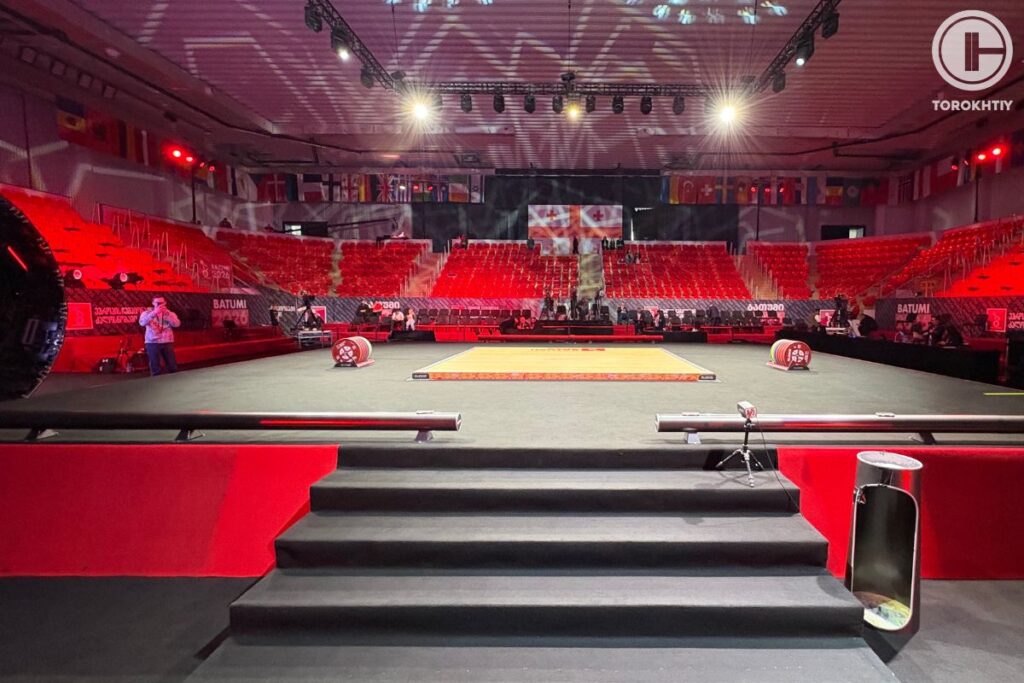
And then there was the crowd.
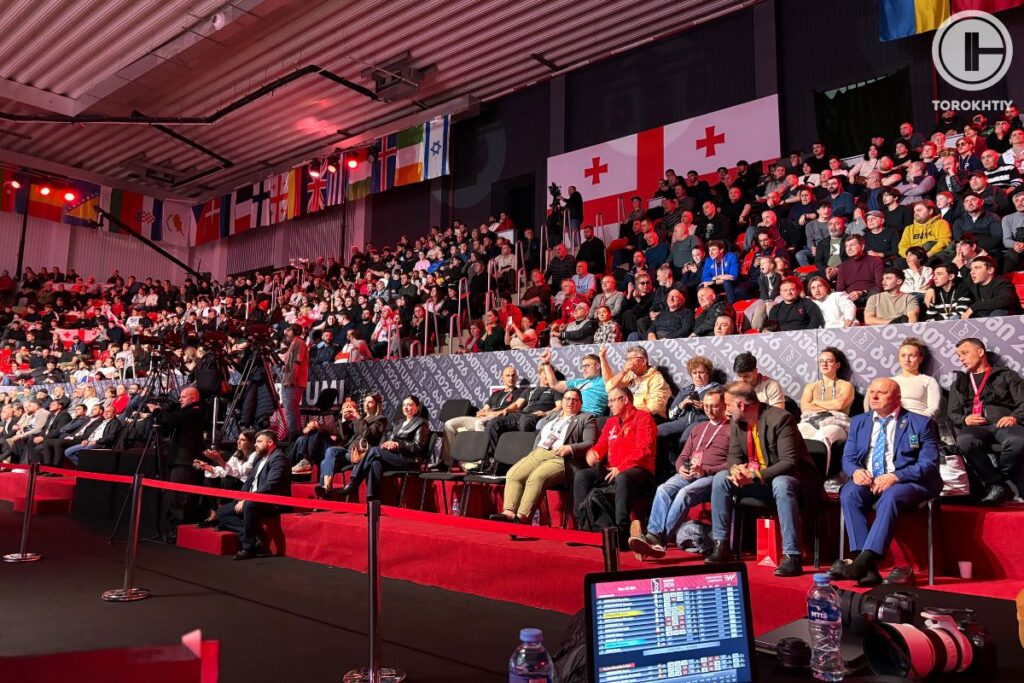
When Georgian lifters stepped onto the platform, the arena transformed. Fully packed stands, constant noise, real energy. This wasn’t polite applause – it was pressure. Even through commentary headsets, it was difficult to hear clearly at times. That kind of atmosphere creates a real home advantage, but also a serious challenge for everyone else on the platform.
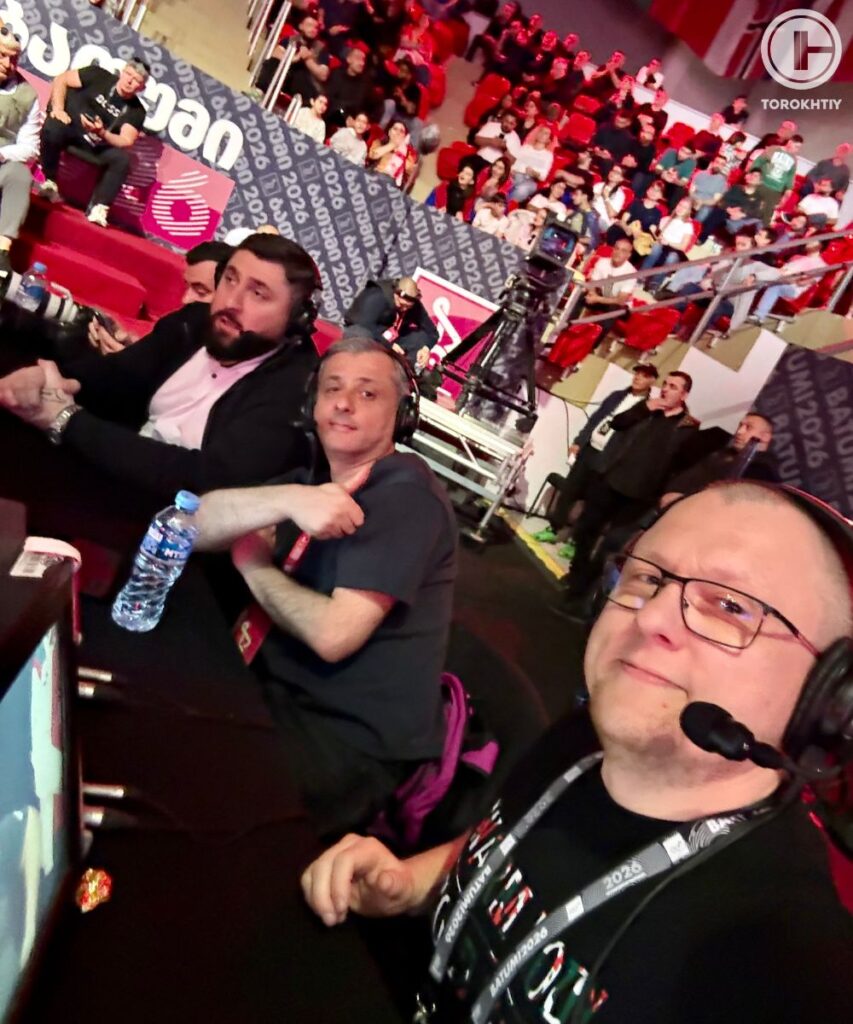
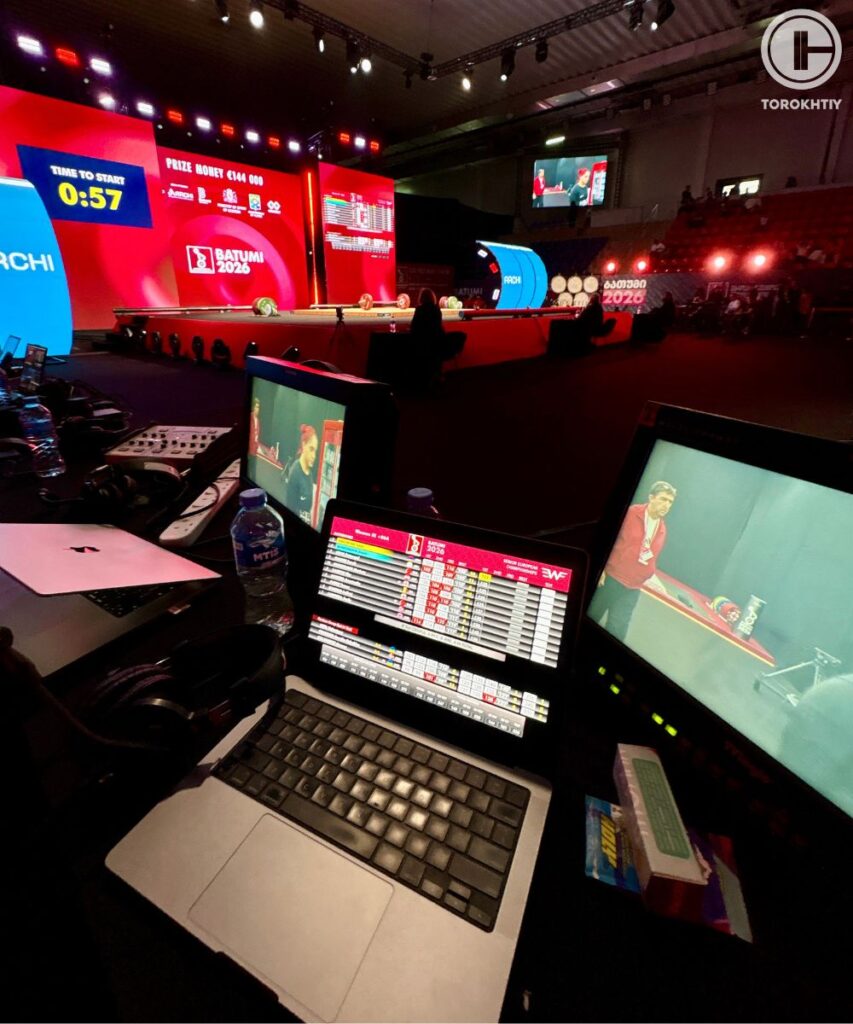
I had the opportunity to experience all of this not only as a coach and observer, but also as a commentator, working together with Seb Ostrowicz. Sitting at the commentary desk, following attempt changes, watching the rhythm of the sessions – it gives a completely different perspective on the competition.
During several sessions, Lasha Talakhadze joined the local broadcast team. Sitting close to one of the greatest weightlifters in history, watching the new generation compete, was a special moment – a reminder of how quickly the sport evolves.
But there was also a downside – one that is often invisible to spectators. The warmup back room was located under an artificial roof with strong lighting and ventilation didn’t always keep up.
Over time, heat built up, and some lifters clearly felt it. At this level, small details like air quality and temperature can influence fatigue, focus, and ultimately performance.
Behind all of this, there was another layer – the media teams. Photographers, videographers, commentators from all over the world. Their work often stays behind the scenes, but today it plays a critical role. Weightlifting is no longer only about the people inside the arena. It’s about the audience watching online, following content, engaging with the sport globally.
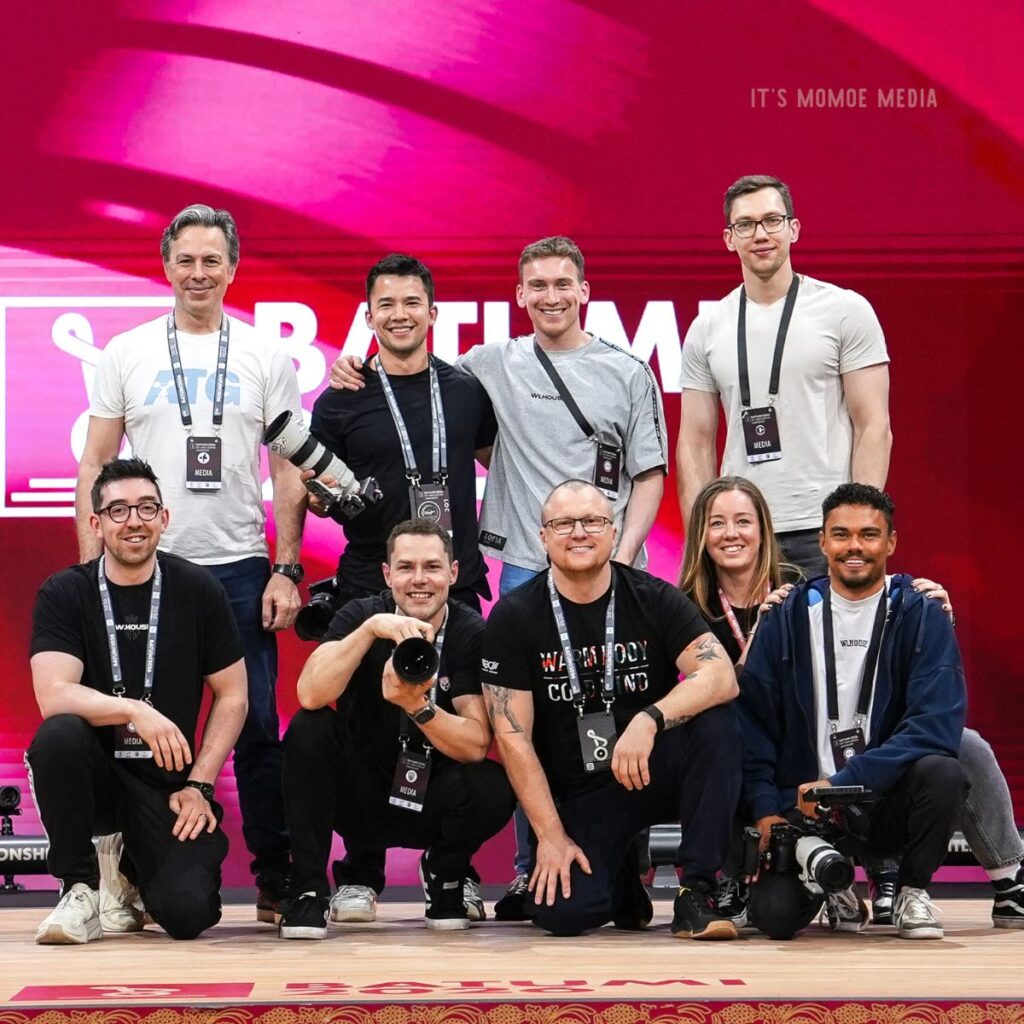
And in Batumi, that system worked.
What This Championship Really Showed
Once the environment is set aside, the real question begins:
What did we actually see on the platform? The first and most obvious answer – the new generation is not coming. It is already here.
Junior athletes like Armenian Emma Poghosyan demonstrated that clearly. Still very young, yet already competitive at the highest level, setting records and influencing outcomes.
The same applies to athletes like Ukrainian Kateryna Malashchuk. These are no longer “future prospects.” They are part of the present.
The gap between junior and senior level is shrinking. In some cases, it almost disappears. But this comes with a trade-off. Because while performance levels are rising, stability is not.
One of the defining characteristics of this championship was inconsistency. Missed lifts, failed attempts, unpredictable sessions. And in some cases – complete bombouts. Italy stood out here, unfortunately not in a positive way. Multiple athletes struggled to complete totals, showing how fragile high-level performance can be.
This is not random. Modern competition strategy is becoming more aggressive. Higher opening weights, bigger jumps, more focus on winning rather than simply securing a result. The logic is clear – if you want to win, you need to take risks.
But the margin for error is minimal. And Batumi made that very clear.
Another pattern appeared across multiple categories: competitions were often decided in the clean & jerk. Snatch sessions showed more instability, more misses, more reshuffling of positions. Athletes who could control the clean & jerk, not just lift heavy, but execute under pressure had the advantage.
In simple terms: Strength is important, but execution wins competitions.
At the same time, the gap between top athletes and the rest is becoming more visible. In some categories, we saw clear dominance. In others, complete chaos – positions changing after every attempt, medals decided in the last lifts. This contrast defines modern weightlifting.
Stories That Defined Batumi
Some performances deserve special attention, not just because of medals, but because of what they represent.
Emily Campbell’s performance in the +86 kg category was a perfect example of high-level competition under pressure. A close battle with Olympic Gold medalist Koanda Solfrid, decided by small margins, but executed with control where it mattered most. Emily`s clean & jerk secured both victory and a place in the record books in one of the final appearances of this weight category.
Karlos Nasar once again confirmed his position on top of the 94 kg weight class.
Nina Sterckx delivered one of the most complete performances of the competition. Balanced, controlled, technically strong and ultimately recognized as one of the best athletes of the championship.
But not all stories were about success. Some were about failure and lessons.
Bombouts, missed totals, lost opportunities. The Italian team’s instability is one example, but it reflects a broader issue. High-level performance today is not only about lifting more it is about managing risk, making the right decisions, and executing under pressure.
Numbers That Support the Story
Multiple records were set across categories, not only by established athletes, but also by very young lifters. Birth years like 2006–2008 are no longer surprising at this level. They are becoming part of the norm. Records in snatch, clean & jerk, and total show that the level is rising. But when combined with the number of missed attempts, they reveal another truth:
The sport is becoming more extreme. Higher peaks. Lower consistency.
And in the context of changing weight categories, some of these records will remain in history, not because they are unreachable, but because the categories themselves are disappearing.
Nations and Systems
Looking at team performances, several patterns stand out.
Countries like Armenia and Türkiye continue to demonstrate strong systems, producing both top-level athletes and depth across categories. Ukraine also shows steady development, particularly on the women’s side, with young athletes stepping into senior-level competition.
The difference between systems and individual success becomes more visible. Some nations rely heavily on a few standout athletes. Others build broader teams with consistent performance across multiple categories.
Over time, it is usually the system that wins.
What Coaches Should Take From This
For coaches, Batumi offers clear lessons. Attempt selection matters more than ever. Opening too high can destroy a competition before it begins. Playing it safe might secure a total, but not necessarily a medal. Finding the right balance is the real skill.
Clean & jerk remains decisive. Training systems must reflect that reality – not only building strength, but building the ability to execute under fatigue and pressure.
Young athletes are progressing faster. That requires careful management. Early success is powerful, but long-term stability defines a career.
And finally – environment matters. Warm-up conditions, timing, atmosphere. These are not external factors. They are part of performance.
Five Conclusions
- The new generation is already competing and winning at the highest level.
- Stability is becoming the key advantage in modern weightlifting.
- Clean & jerk continues to decide the outcome of most competitions.
- Risk-taking is increasing, but it punishes mistakes immediately.
- The LA 2028 Olympic cycle has already started and the hierarchy is already forming.
Final Word
Batumi 2026 was not about perfect lifting. It was about understanding where weightlifting is going. A sport that is becoming faster, more aggressive, more professional, but also more demanding. Where talent appears earlier, but consistency becomes harder to maintain. Where performance is measured not only in kilos, but in the ability to deliver when it matters.
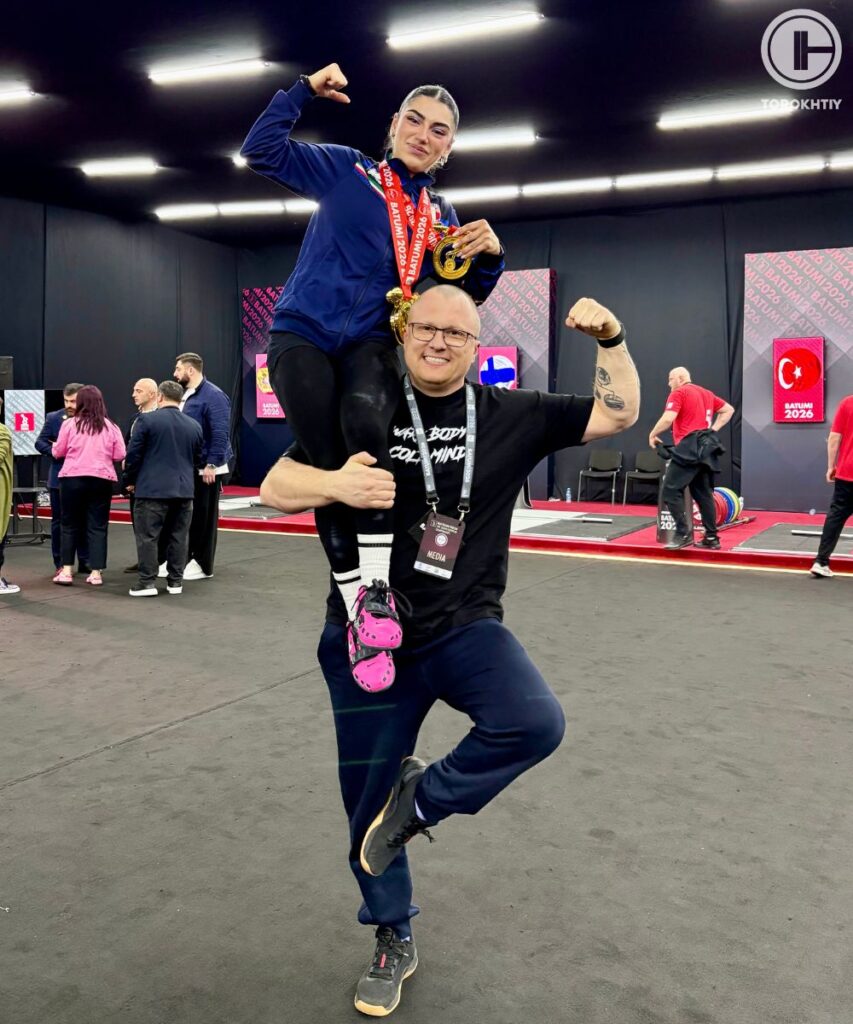
And where some records, set in Batumi, will remain forever, not because they are unbeatable, but because the categories themselves are changing.
If this championship showed us anything, it is this:
The next few years will not be predictable.
And that is exactly what makes it interesting.
If you want to stay up to date with analysis, insights, and behind-the-scenes content – follow Torokhtiy Media.
🔻Find Your Best Training: Take Our Quiz!
Are you ready to learn and grow? Take our simple quiz to discover the right training program for you. Let us help you succeed — click below to start the quiz!

Author: Sergii Putsov
Head of Sport Science, PhD
Best Results: Snatch – 165 kg,
C&J – 200 kg
Sergii Putsov, Ph.D., is a former professional weightlifter and National team member, achieving multiple medals in the 94 kg weight category at national competitions. With a Master’s degree in “Olympic & Professional Sport Training” and a Sport Science Ph.D. from the International Olympic Academy, Greece, Sergii now leads as the Head of Sport Science. He specializes in designing training programs, writing insightful blog articles, providing live commentary at international weightlifting events, and conducting educational seminars worldwide alongside Olympic weightlifting expert Oleksiy Torokhtiy.